Critical Thinking + Making with AI

Header image credit: Nadia Piet, ‘Cloud Computing’, AI X Design Project
About the CTMAI Faculty Summer Institute
CTMAI Foundations is a 2-day (Aug 17-18) series of intensive sessions designed for educators who want to get exposure to state-of-the art GenAI tools and technologies, establish foundational knowledge on the ethics of AI use in higher education context and draft their own AI course policy or syllabus statement.
CTMAI Explorations is an extended 3-day (Aug 19-21) series of sessions for educators with a good understanding of key AI concepts and/or previous experience with AI who want to explore topics that relate to AI in the creative and learning process in-depth through collaborative experimentation, reflection, and conversation with their peers.
Outcomes
CTMAI Foundations introduces participants to emerging generative AI technologies (large language models, stable diffusion models, image and multimodal output generators) and showcase pedagogy-driven strategies of critically engaging with AI in ways that serve the needs of art and design students. Through CTMAI Foundations participants will:
have a better understanding of how Large Language Models, multimodal and agentic AI tools work and an awareness of the range of interfaces and user experiences grouped under the term “Generative AI”.
establish an overview of the current state of GenAI in higher education, with a focus on art and design education, allowing them to assess how different institutional policies or pedagogical approaches address issues such as cheating and academic honesty, authorship and authenticity, and equity, inclusion and accessibility in the classroom
have access to tested, evidence-based, and replicable strategies for designing their courses and assignments either as AI-resistant or AI-tolerant.
draft a syllabus statement, course policy, personal reflection or message to students that reflects their teaching philosophy, is aligned with their scholarship and practice, and lays the groundwork for honest conversations with students
CTMAI Explorations is an extended 3-day series of sessions for educators with a good understanding of key AI concepts and/or previous experience with AI who want to explore topics relating to AI in the creative and learning process in-depth through collaborative experimentation, reflection, and conversation with their peers. Through CTMAI Exploration will:
participate in a peer-to-peer community of practice our GenAI issues as a space of mutual support, collaboration, and generative feedback
gain deeper knowledge of cutting edge technologies and latest developments in the world of AI in higher education and the creative industries
build confidence in assessing different pedagogical, ethical, and sociopolitical implications of AI be able to lead conversations or interventions in academic departments, institutional policy meetings, or professional organizations
be able to recalibrate how Generative AI fits (or not) into the learning process and the outcomes they envision for their students
be able to experiment with localized AI platforms and critical or creative explorations of AI as a means of empowering students and their learning
develop skills and be able to apply strategies for more purposeful teaching based on self-reflection, insights from peers, and feedback from students.
FSI Leader
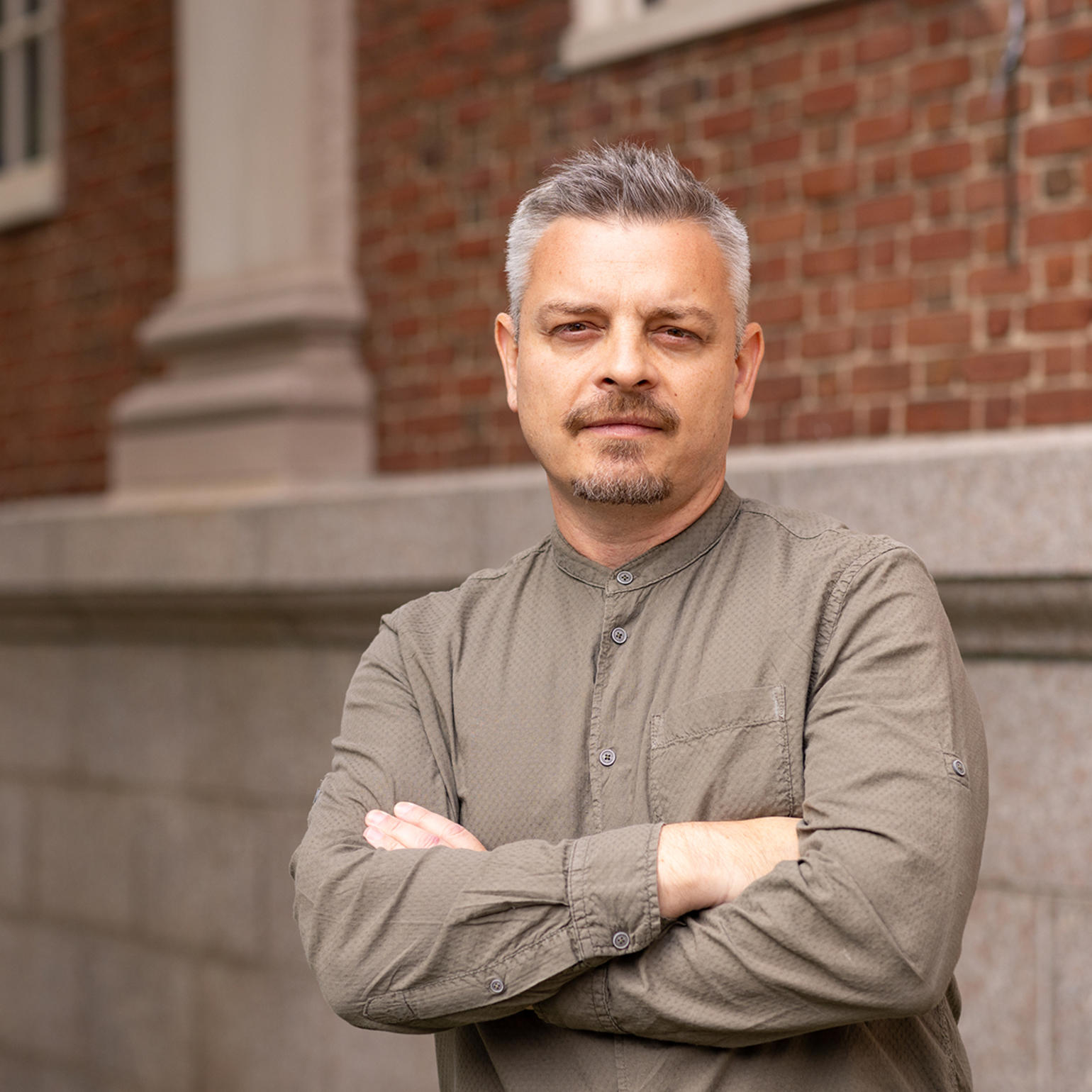
Dimitris C. Papadopoulos Ph.D.
Senior Instructional Designer, Academic Affairs | Teaching & Learning Lab
Dimitris leads initiatives and develops resources for inclusive and innovative teaching across all RISD departments including workshops on strategies for feedback and critique, place-based and immersive learning, the "Teachers on Tech" lecture series, and the Faculty Institute on “Critical Thinking and Making with AI.” He has over fifteen years of experience in higher education teaching and research, and has worked on interdisciplinary projects at the intersection of culture, education, and technology.
Dates
Day 1 (Foundations). M, August 17: 9 am to 3 pm.
Day 2. (Foundations) Tu, August 18: 9 am to 3 pm.
Day 3. (Explorations) W, August 19: 9 am to 3 pm.
Day 4. (Explorations) W, August 20: 9 am to 3 pm.
Day 5. (Explorations) W, August 21: 9 am to 3 pm.
Location
Rooms 302 and 301 (Teaching & Learning Lab), ProvWash Building, 20 Washington Place.
Facilitators
Clement Valla
Professor, Computation, Technology, and Culture, RISD
Clement Valla works with the logic of image-making systems. He is best known for Postcards from Google Earth, which collects the melting bridges, draping highways, and folded terrain thrown off by Google’s automated 3D maps. The project surfaces images that an existing system already produces on its own. His pointcloud.garden and Google Trees projects work in the same direction, using the 3D scans and models these systems build to reconstruct the world. In each case the apparatus producing the picture is the subject.
Valla is the founding department head of Computation, Technology & Culture at RISD, the school’s first new undergraduate department in nearly 30 years, home to the Art & Computation BFA and the Sound BFA. He previously served as dean of Experimental and Foundation Studies. His teaching centers on process, systems, and design thinking, treating technology through the same lens: tools and methods to be understood, built, and worked through rather than simply used. He is represented by bitforms gallery, New York.
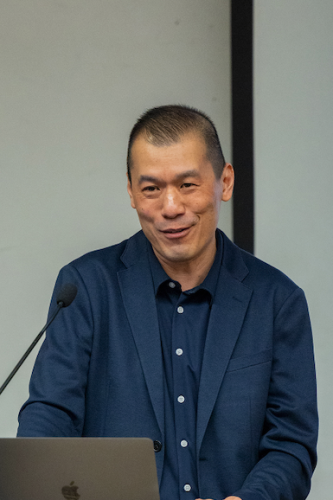
Adjunct Lecturer, Brown-RISD Master of Arts in Design Engineering
Chaki Ng has been a CTO and CPO at various large and small companies (from Viacom and MTV to his own co-founded startups) in different industries, deploying consumer and enterprise products for web, mobile, video, AR and VR as well as production systems. His specialty is in designing forward thinking roadmaps for rolling out products across platforms. He did his PhD on multi-agent distributed systems at Harvard and worked on intelligent and tangible interface research at the MIT Media Lab. He has been teaching graduate-level courses Design Engineering Studios and Emerging Technologies courses at Brown and RISD.
Susan Solomon
Lecturer, Literary Arts and Studies, RISD
Susan L. Solomon has been teaching college students across the humanities curriculum for over 20 years. She holds degrees in comparative literature, English, and German from Brown University and the University of Connecticut, Storrs. Her publications include articles on literary modernism and transmediation as well as scholarly editorial and German-to-English translation projects.
Her approaches to teaching and learning and faculty consultation have been shaped by her experiences as a Connecticut Writing Project Summer Institute Fellow and her earning of graduate certificates in reflective teaching, student-centered and backwards course design, and instructional consulting from the Sheridan Center for Teaching and Learning at Brown University. More recently, her pedagogy has benefited from faculty development opportunities at RISD—through sustained semester-length studies in decolonial teaching and inclusive writing, or intensive multi-day training on multilingual learning, teaching with AI, and Intergroup Dialogue.
Theme: AI & Knowledge Work
CTMAI EXPLORATIONS 2026 will explore a key topic each day.
DAY 1: AI & KNOWLEDGE WORK
How is Generative AI reshaping our sense of truth and authority, or our taste and aesthetics? How is it affecting our ways of learning and what kinds of knowledge does it help produce or make claim to? On Day 1 we will examine these questions by looking at AI images and datasets, thinking about archives and representation, and scrutinizing AI tools used for research and learning. Together, we will seek definitions for authenticity and academic integrity in the age of AI and outline essential conversations that we need to have about the cognitive and epistemological implication of GenAI among teachers, learners, and knowledge workers.
Theme: AI as Process
CTMAI EXPLORATIONS 2026 will explore a key topic each day.
DAY 2: AI AS PROCESS
How do we balance our teaching between process and output in the age of AI? Day 2 will focus on conceptualizations and assessments of Generative AI in the process of learning and making. We will examine AI-powered design workflows, explore the role of AI in the creative process, and discuss strategies for purposeful teaching and process-based learning that highlight the value of intentionally slowing down.
AI Environments
CTMAI EXPLORATIONS 2026 will explore a key topic each day.
DAY 3: AI ENVIRONMENTS
On Day 3 we will take a deep look into Generative AI as a reality shaping, world-making technology, but also as a set of environmental, aesthetic, and socio-political conditions we are immersed in as teachers, learners, thinkers, and makers. We will experiment with the speculative capabilities of text-to-3D world-making tools, ‘excavate’ the materialities of AI infrastructures, from energy-thirsty data centers to sites of extraction (in terms of both labor and source materials), and reflect on the ways in which the increasingly automated, and computational environments that we all work in intersect with networks and technologies of surveillance, securitization or labor ‘optimization.’
Apply
Click on the registration form to apply
Deadline: Monday, July 20, 2026.
CTMAI 2023-2025: Background
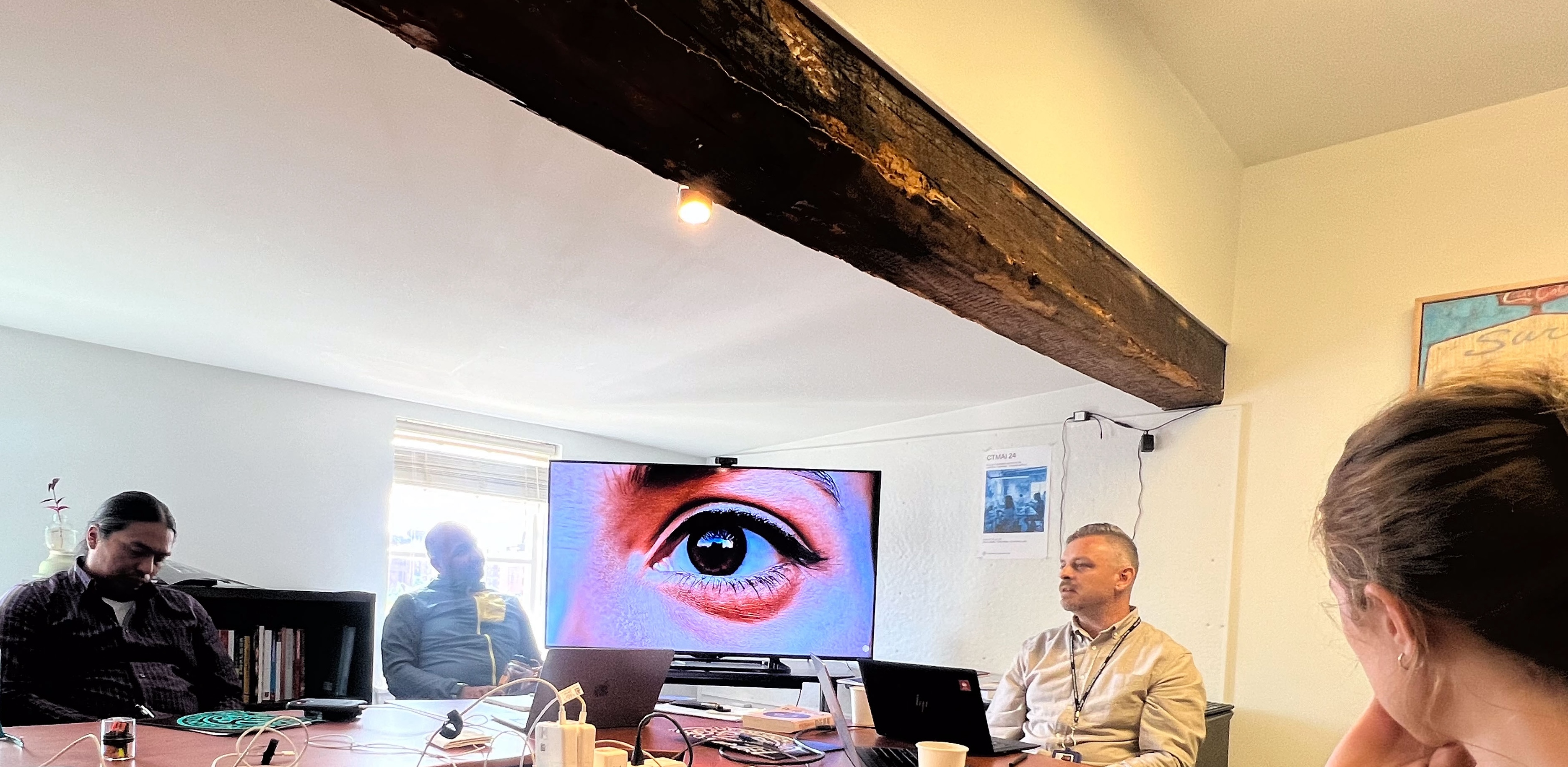
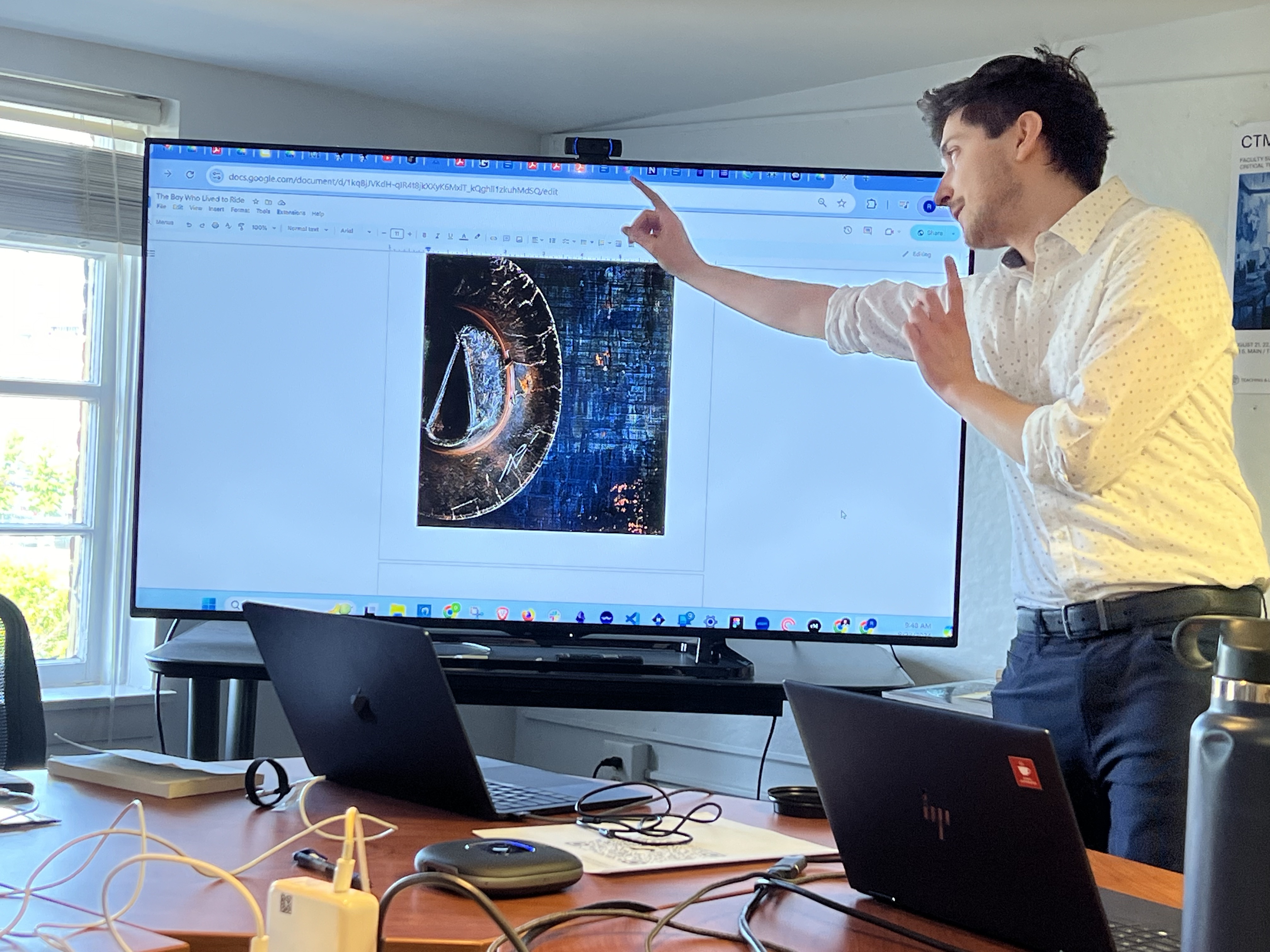
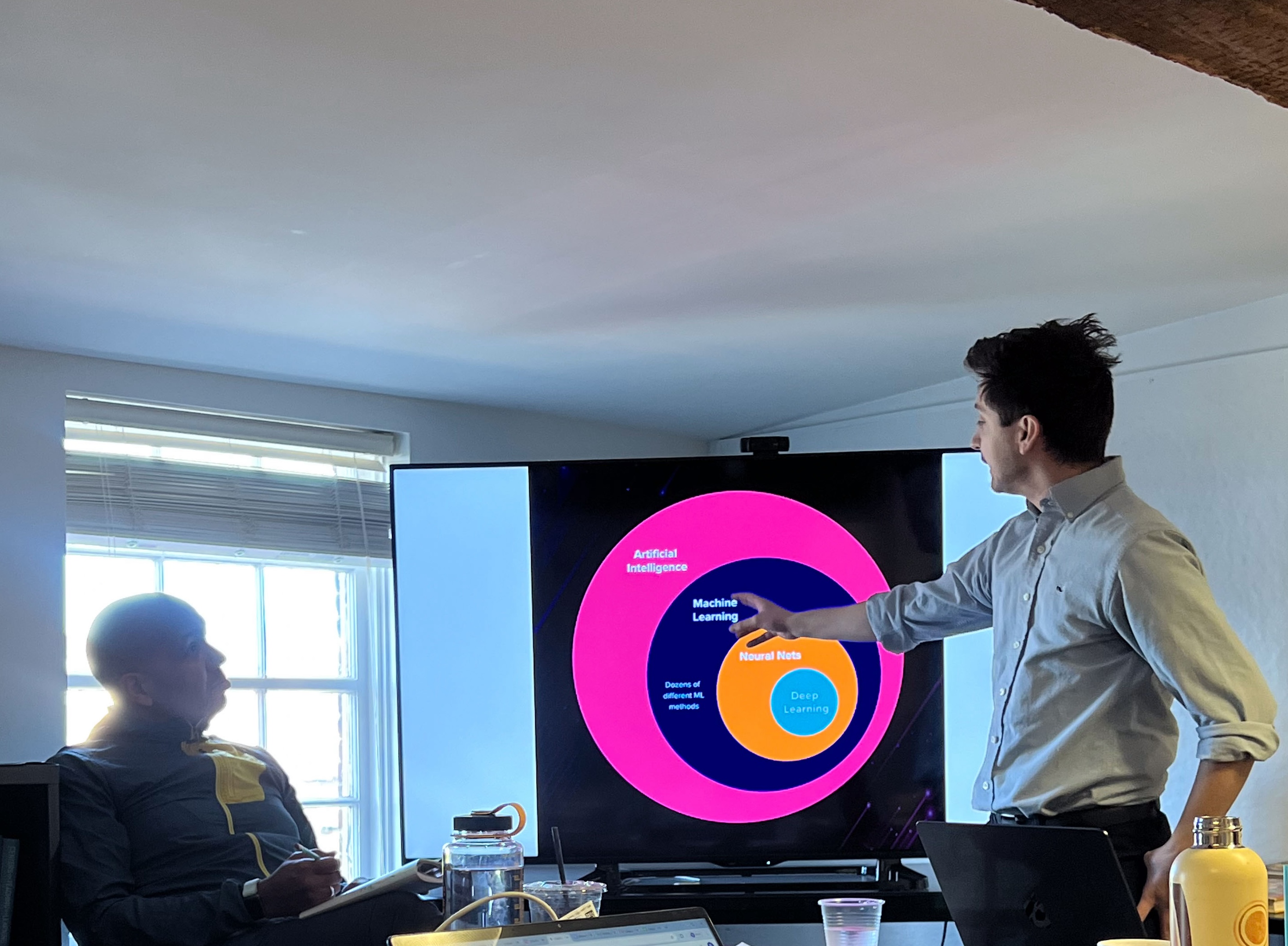
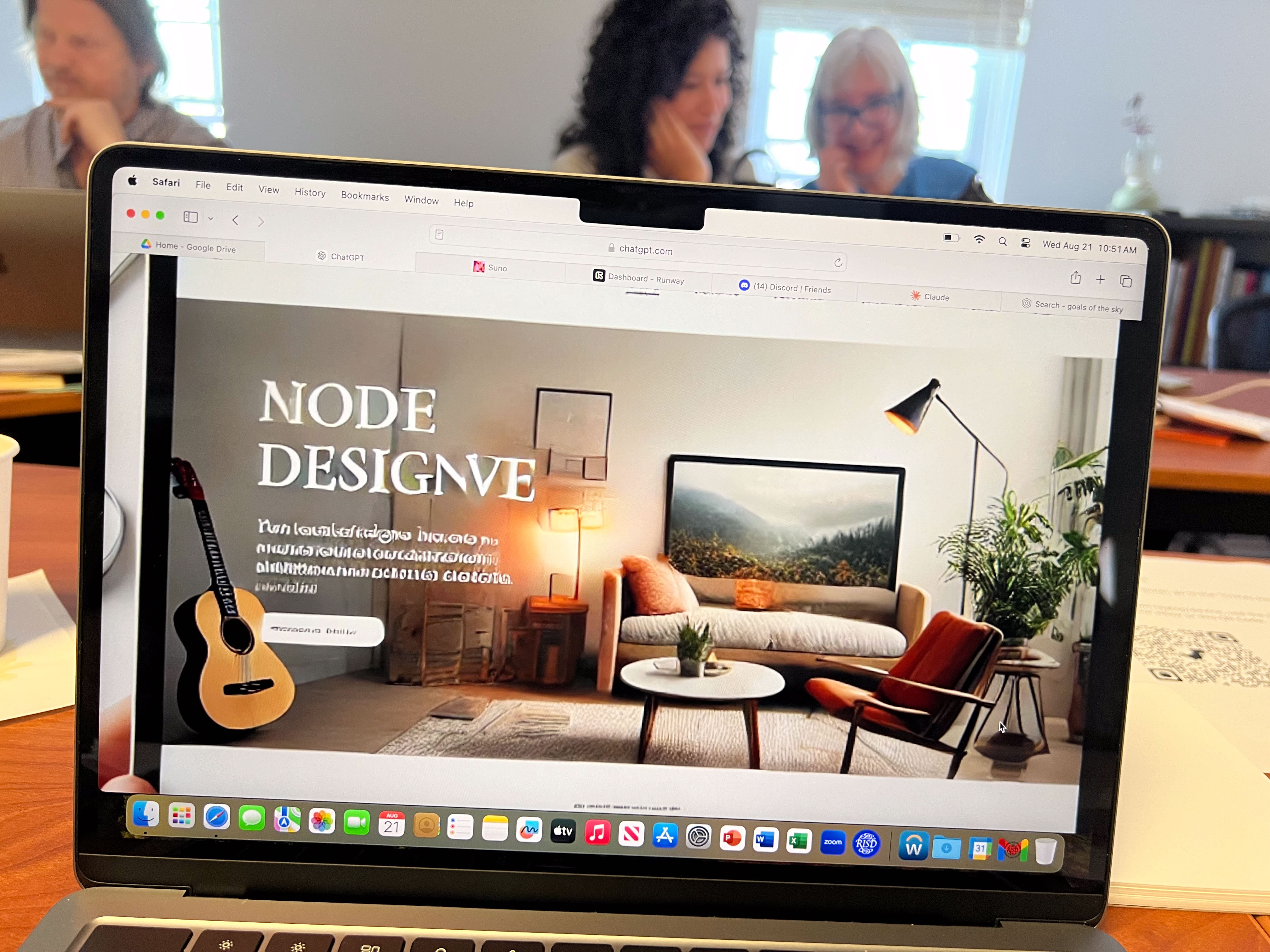
Photos: Kristina Lamour Sansone
Launched in Summer 2023, "Critical Thinking & Making with AI" is a Faculty Summer Institute offered by the Teaching & Learning Lab that introduces participants to emerging generative AI technologies and showcases pedagogy-driven strategies of engaging with AI in ways that serve the needs of art and design students in their scholarship as well as their creative practice. The Institute combines hands-on exploration of AI tools with small group collaboration and reflection sessions, and covers a range of topics from introductory, "crash course" sessions to designing classroom/studio activities, centered around questions of critical thinking and making.
Over fifty RISD faculty have participated in CTMAI sessions. Now in its fourth year, the CTMAI Faculty Summer Institute expands into a full week of critical engagement with AI tools and AI-informed pedagogies in two tracks: ' CTMAI Foundations' and 'CTMAI Explorations'
Past CTMAI Facilitators
Dimitris C. Papadopoulos Ph.D.
Senior Instructional Designer, Academic Affairs | Teaching & Learning Lab
Dimitris leads initiatives and develops resources for inclusive and innovative teaching across all RISD departments including workshops on strategies for feedback and critique, place-based and immersive learning, and the Faculty Institute on “Critical Thinking and Making with AI.” He has over fifteen years of experience in higher education teaching and research, and has worked on interdisciplinary projects at the intersection of culture, education, and technology.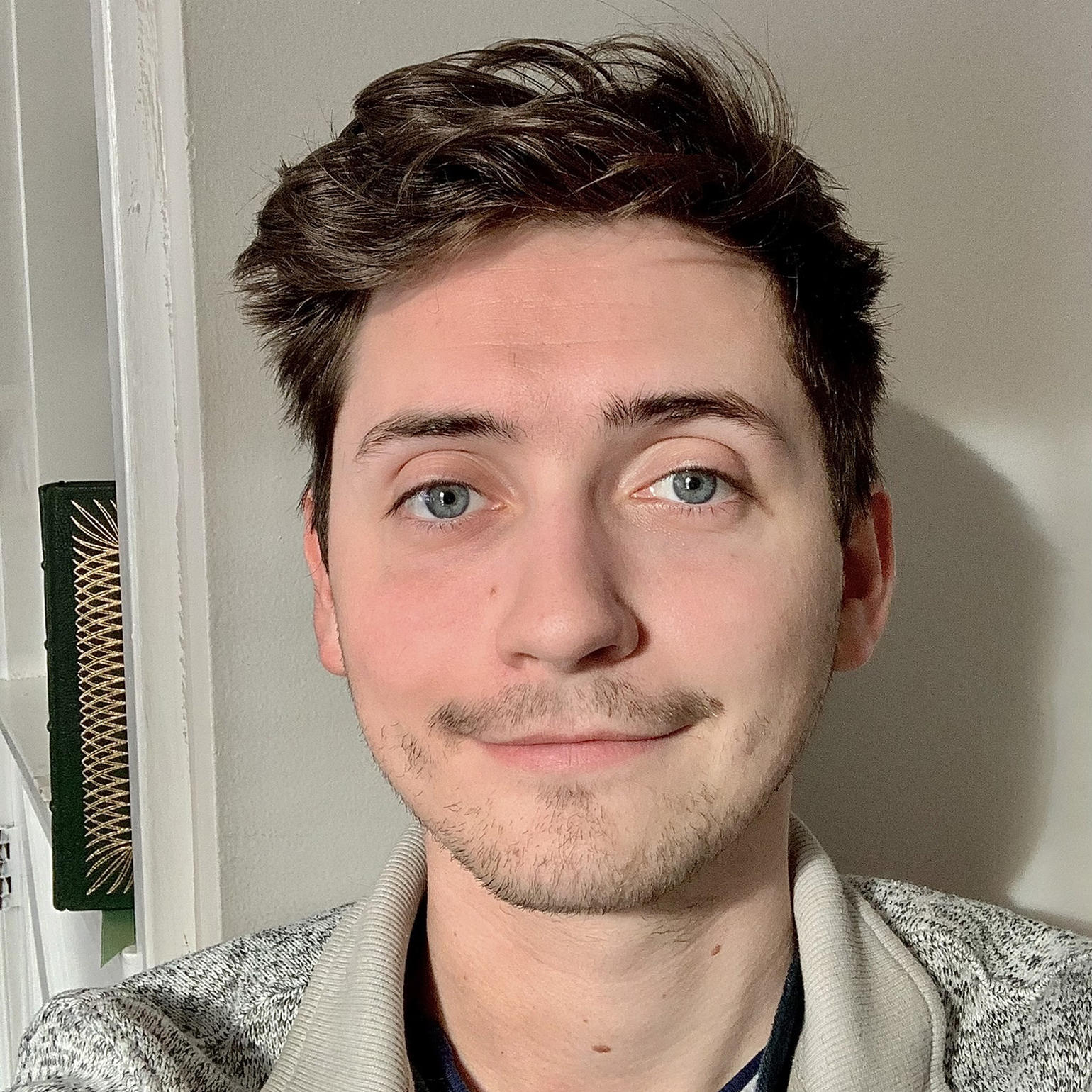
Griffin Smith
Critic-CTC, Lecturer, HPSS
Griffin is a teacher, writer, and digital artist. He designed and taught the first AI studio courses at both Brown University and the Rhode Island School of Design. His current classes include Art and Artificial Intelligence, Digital Culture: How Computers Took Over the World, and Text Transformed: Writing in the Age of AI. In his creative practice he experiments with chatbots, Large Language Models, and AI image models.